
Blogs
Latest Articles & Expert Insights
Helpful guides, expert tips, and therapy insights from First Steps Child Development & Neuro Rehabilitation Centre.
How Speech Therapy Improves Early Communication Skills
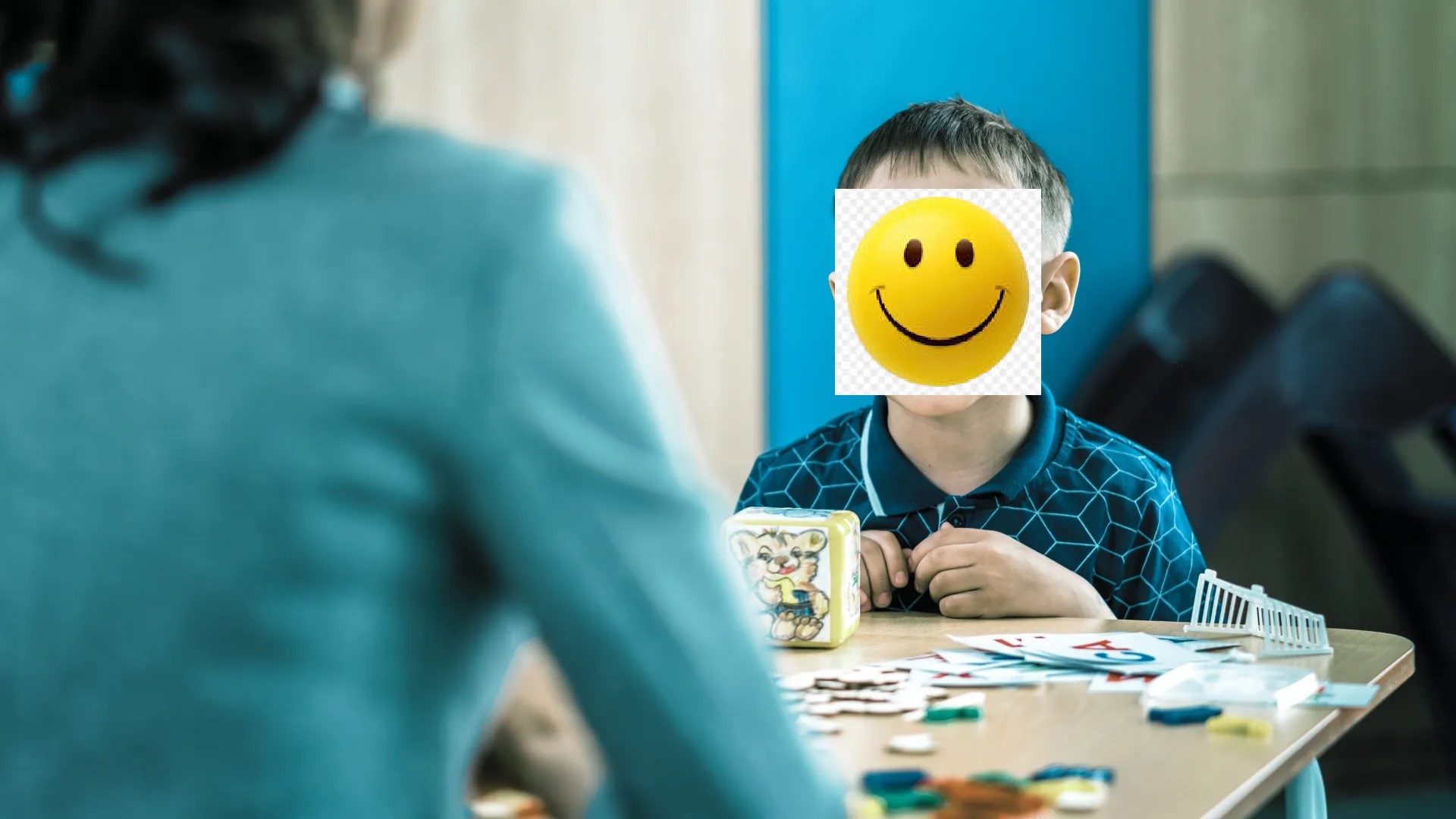
Early childhood is a crucial stage for speech, language, and communication development. During these years, children learn to express their needs, build vocabulary, and understand others. However, some children face delays in communication, unclear speech, limited words, or difficulty responding socially. This is where Speech Therapy becomes essential.
Why Early Intervention Matters
Early intervention uses a child’s natural curiosity and brain plasticity to improve communication. Children who receive early support are more confident, expressive, and socially engaged.
Signs a Child May Need Speech Therapy
- Limited vocabulary
- Unclear or difficult-to-understand speech
- Difficulty following instructions
- Stammering or blocks while speaking
- Poor eye contact or limited interaction
How Speech Therapy Helps
- Expressive Language: helping children speak clearly & confidently
- Receptive Language: improving listening & understanding
- Vocabulary Building: using new words meaningfully
- Articulation: correcting sound errors
- Social Communication: improving interaction
“When children learn to communicate, they learn to connect.”
Top Challenges Children Face in Fine Motor Development
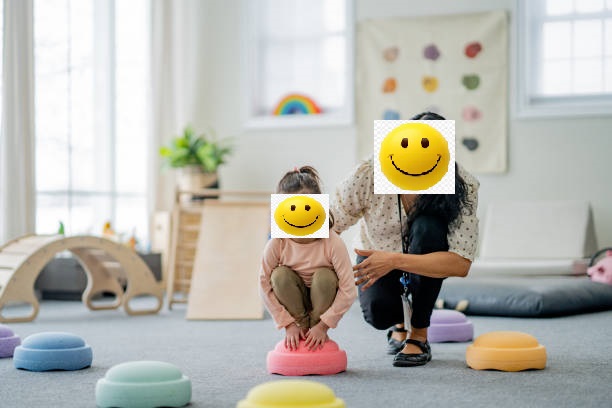
Fine motor skills are essential for everyday tasks such as writing, buttoning, drawing, feeding and holding objects. Many children experience challenges that make these tasks difficult, slowing progress at school and affecting independence. Occupational Therapy helps strengthen fine motor control, coordination, and hand function.
Common Fine Motor Challenges
- Poor pencil grip
- Difficulty with writing or drawing
- Weak hand muscles or low endurance
- Difficulty using scissors
- Trouble with buttons, zippers, and laces
- Poor hand-eye coordination
What Causes Fine Motor Delays?
- Developmental delays
- Low muscle tone
- Sensory processing issues
- Poor posture and core weakness
- Neurological conditions
How Occupational Therapy Helps
- Strengthening hand & finger muscles
- Improving grip and writing skills
- Enhancing bilateral coordination
- Improving drawing, colouring & cutting skills
- Using therapeutic play to build motor confidence
“Fine motor skills build independence, confidence, and school readiness.”
Tips to Help Children Learn Better Through Special Education
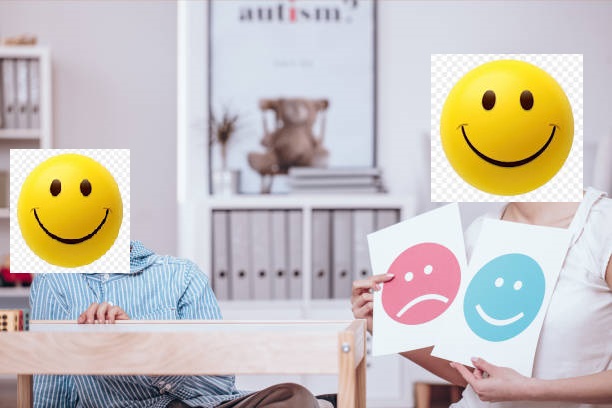
Special Education provides personalized learning strategies for children with academic, behavioural and developmental challenges. It focuses on improving understanding, behaviour, attention, and foundational learning skills through structured teaching and individualized plans.
Common Learning Challenges
- Difficulty understanding basic concepts
- Poor attention and concentration
- Behavioural or emotional difficulties
- Weak memory or slow processing speed
- Difficulty reading, writing, or solving problems
Effective Special Education Strategies
- Structured teaching using visual aids
- Breaking tasks into smaller steps
- Behaviour reinforcement techniques
- Academic skill-building through repetition
- Hands-on learning activities
- Individualized Education Plans (IEPs)
How Special Education Helps
- Improves academic understanding
- Enhances behaviour & emotional regulation
- Builds confidence and participation
- Improves problem-solving and reasoning
- Strengthens communication & social interaction
“Every child learns differently — and Special Education helps them shine.”
House number 1015, Sector 46, Faridabad, Haryana 121010, India
GET DIRECTION-
firststepsrehab@gmail.com
-
+91 9310673659